Rugby could be on the verge of an unprecedented transformation thanks to two proposals aimed at renewing its competitive structure. On the one hand, the implementation of the Nations Cup in 2026 promises to bring together the world’s best teams in a tournament that combines tradition and modernity. On the other, a global franchise league project aims to further professionalize the sport, attracting new fans and offering greater economic incentives for players.
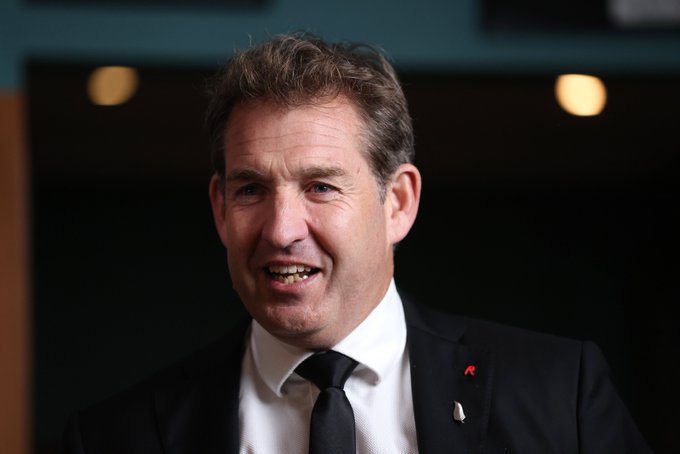
Both initiatives reflect an interest in modernizing rugby, improving its global reach and resolving historical problems such as a lack of competitive balance and overloaded schedules. Perhaps this is one of the issues that World Rugby’s new president, Brett Robinson, will have to handle with the greatest interest.
NATIONS CUP: A NEW ERA FOR NATIONAL TEAMS
The Nations Cup, scheduled for 2026, will bring together teams from the Six Nations (England, France, Ireland, Italy, Scotland and Wales) and the Rugby Championship (Argentina, Australia, New Zealand and South Africa). It will also include two guest teams, Japan and Fiji, in a tournament to be played during the July and November international windows.
From 2030 onwards, a promotion and relegation system is planned, integrating lower-level teams into a secondary division. This format not only replaces the traditional tours, but also ensures greater competitiveness and excitement for fans.
FRANCHISE LEAGUE TO PROFESSIONALIZE RUGBY LEAGUE
The second proposal, still under development, seeks to create a global franchise league in the style of Formula 1 or the Indian Premier League. This competition would include eight men’s franchises and a women’s competition, with matches played in different cities around the world in a “grand prix” style format.
This project plans to offer salaries in excess of 1 million euros per season, attracting the best players and reducing the length of seasons to prioritize the welfare of the athletes. However, its success depends on World Rugby’s approval and coordination with current schedules.
NEW AUDIENCES AND MORE SUSTAINABILITY
Both proposals share a common goal: to globalize rugby and make it more attractive to new audiences. The Nations Cup will provide a more unified narrative for fans of national teams, while franchise league could capture the interest of emerging markets thanks to its innovative economic model.
In addition, these initiatives address one of the biggest challenges in rugby today: financial sustainability. By generating more revenue from television rights and sponsorships, the organizers hope to secure the future of the sport.
A NECESSARY TRANSFORMATION OR A RISK?
While promising, these proposals are not without their critics. Some sectors fear that the changes could detract from rugby’s tradition, while others question the viability of the projects, especially franchising, due to their reliance on high budgets and complex global logistics.
The success of these initiatives will depend on the ability of World Rugby and the organizers to balance innovation with respect for the sport’s roots. What is undeniable, however, is that rugby is at a key moment in its evolution.
 Last related articles