Athletes whose testosterone levels or chromosomal patterns do not fit traditional medical definitions of male or female often fall outside the scope of gender verification tests. Intersex athletes, who do not fully align with either category, are at the center of this debate. Some may carry XXY chromosomes with very low testosterone and physical traits that do not match the male category, yet they are also excluded from the female division. This raises pressing questions about their sporting rights and the protocols federations use to assess their eligibility.
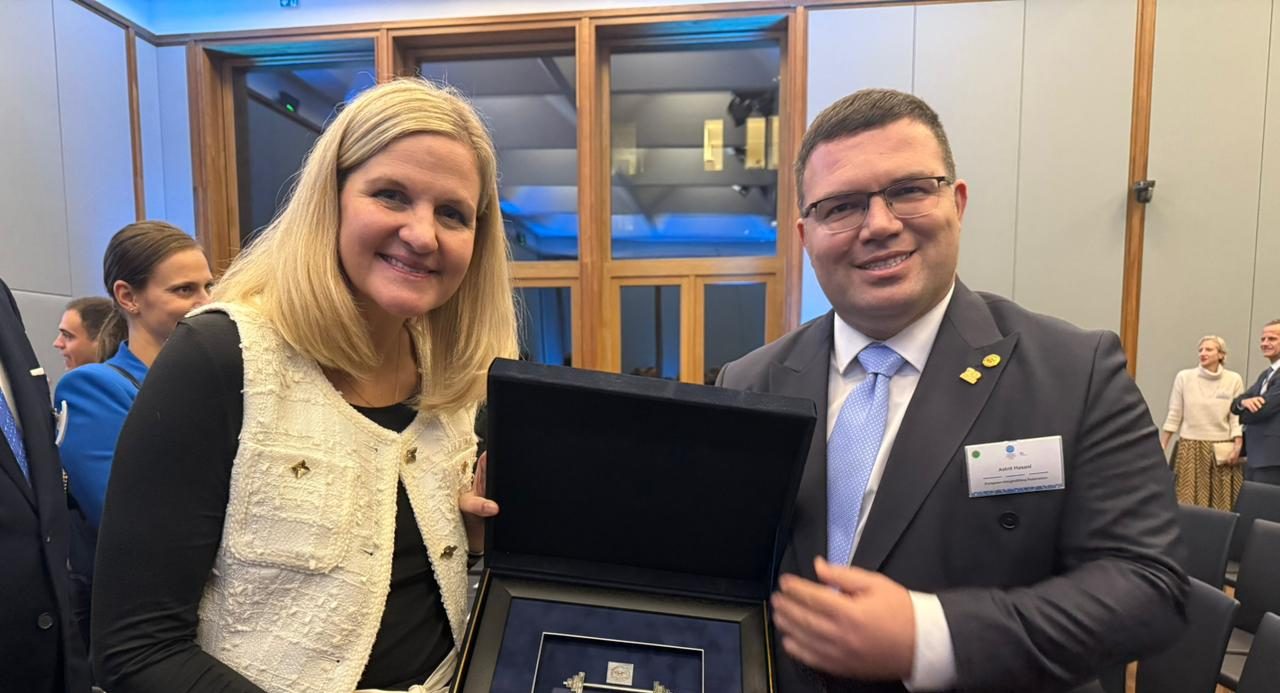
The issue took on new urgency after the gender-testing controversy in boxing at the Paris 2024 Olympic Games. Since then, sex verification has become a priority for many international federations. Under the leadership of Kirsty Coventry, President of the International Olympic Committee, the matter has been formalized into a global policy framework.
World Boxing, the new federation born out of the split between the IOC and the IBA, now recognized as the sole governing body for Olympic boxing, has followed suit. It recently introduced a gender verification policy, presented as a safeguard for women’s safety in the ring, but reflecting a broader global trend toward stricter eligibility rules.

Caster Semenya of South Africa
The policy, however, raises significant scientific, ethical, and legal challenges. History has shown that courts can intervene and overturn the outcomes of such tests, leaving federations to balance fairness, inclusion, and protection in an area where the boundaries remain contested.
“I am a woman, and that’s how God made me.”
Those were the words of Caster Semenya, the South African middle-distance runner who twice won Olympic gold in the 800 meters at London 2012 and Rio 2016. Semenya’s career has been overshadowed by controversy over her gender after tests revealed she is intersex. World Athletics ordered her to take medication to lower testosterone levels that exceeded the female threshold. Semenya challenged the ruling at the Court of Arbitration for Sport and in 2019 won her case.
She is not the only intersex athlete to have prevailed in court. Indian sprinter Dutee Chand also took her case to CAS in 2015 and secured a landmark victory.

Lin Yu-ting of Taiwan
At the heart of these disputes lies the absence of a clear and consistent guideline from the International Olympic Committee on gender eligibility, particularly for athletes whose biological traits do not align neatly with traditional male or female categories. The fallout has often compromised both the dignity of athletes and the principle of fair play. The issue erupted again in Paris 2024 when Italian boxer Angela Carini withdrew mid-bout against Algeria’s Imane Khelif, refusing to continue under what she described as the force of “impossible punches.”
Khelif’s choice to continue competing and undergo gender testing regardless of the outcome reflects the gender identity through which she defines and lives her life. The controversy at the Paris 2024 Games, which thrust her and Taiwan’s Lin Yu-ting into the spotlight, became a full-blown crisis. Responsibility was shared across the board, with the IOC leadership under Thomas Bach remaining silent and unaccountable, the Algerian Boxing Federation opting for concealment, and the IBA exploiting the situation with a glaring lack of fairness. In the end, the real failure was not Khelif’s identity or her choices, but the institutions that allowed a human and sporting tragedy to unfold.

Rebecca Quinn of Canada
Rebecca Quinn, better known as “Quinn,” is a professional footballer for the Canadian national team and is recognized as the first openly transgender and non-binary athlete to win an Olympic gold medal. Quinn made history at the Tokyo 2020 Olympics when Canada claimed the championship. In 2020, they officially came out as non-binary and use they/them pronouns.
Now, with Kirsty Coventry at the helm of the IOC, expectations for the first female president in the organization’s history have taken on a new dimension. President Coventry’s responsibility to uphold the dignity of women athletes and safeguard their safety is markedly different from previous leadership. She must now update gender verification procedures with robust scientific and legal mechanisms, preventing any potential misuse.
 Last related articles