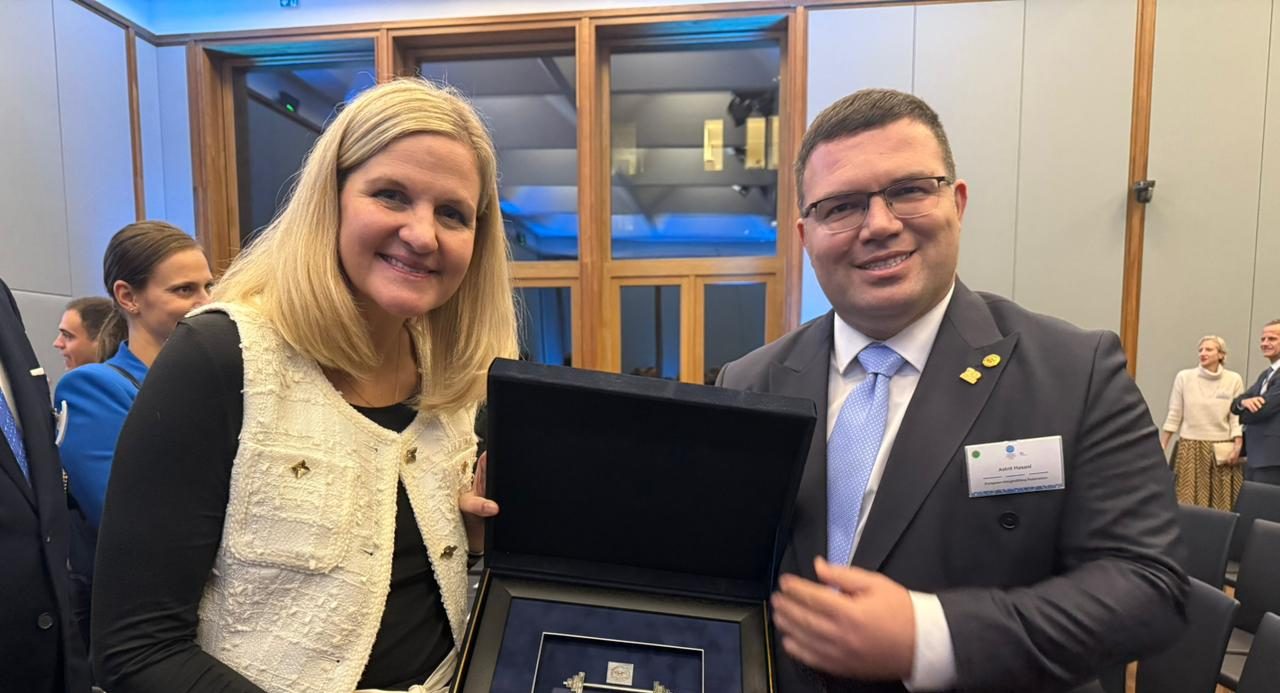
From gender verification debates to host city selections and athlete empowerment, Kirsty Coventry’s first three months as IOC president have been defined by dialogue-driven sessions and strategic initiatives.
When Coventry assumed the presidency in June 2025, she made history as both the first woman and the first African to lead the organization. Three months in, her leadership is beginning to take shape.
Coventry inherited an IOC in transition. Thomas Bach’s twelve-year tenure brought stability but also raised questions about how the organization should respond to mounting challenges including gender identity, rising costs for hosting the Games, and shifting expectations from a younger global audience. Her opening months have focused less on spectacle and more on quietly restructuring the institution.
One of her most notable actions has been the creation of four working groups to examine governance, financial strategy, athlete engagement, and digital communication. By broadening participation, Coventry aims to make decision-making less rigid and more responsive to change. This signals her view of the IOC as an evolving institution rather than a finished system.

Kirsty Coventry, the first woman president of the IOC
Her tenure has also required a careful balancing act. Coventry has emphasized the IOC’s responsibility to uphold Olympic Charter values while remaining open to reforms once considered off limits. In speeches to members and the press, she has avoided lofty rhetoric and instead focused on practical measures including transparency in funding, clearer host city criteria, and stronger support for athletes navigating both competition and life beyond sport.
Skepticism remains. Critics warn that the working groups could add bureaucracy without producing meaningful results. Others note that Coventry has yet to address the most contentious issues such as financial pressures on host nations and the geopolitical dynamics surrounding global sporting events. Three months is a short window to judge a presidency intended to shape the Olympic movement for the next decade.
What is clear is that Coventry is moving deliberately to leave her mark. Rather than announcing sweeping reforms immediately, she has first adjusted governance mechanisms to make the IOC more agile before tackling high-profile challenges. If Bach’s years were defined by consolidation, Coventry’s opening months demonstrate a willingness to test new ideas even at the risk of disrupting established practices.
The next steps will be crucial. The effectiveness of the working groups, engagement with future Olympic hosts, and the ability to connect with a generation that consumes sport differently will determine whether her presidency achieves lasting change. Three months in, the foundation is laid. What remains to be seen is whether these early reforms translate into a durable transformation of the Olympic movement.
 Last related articles