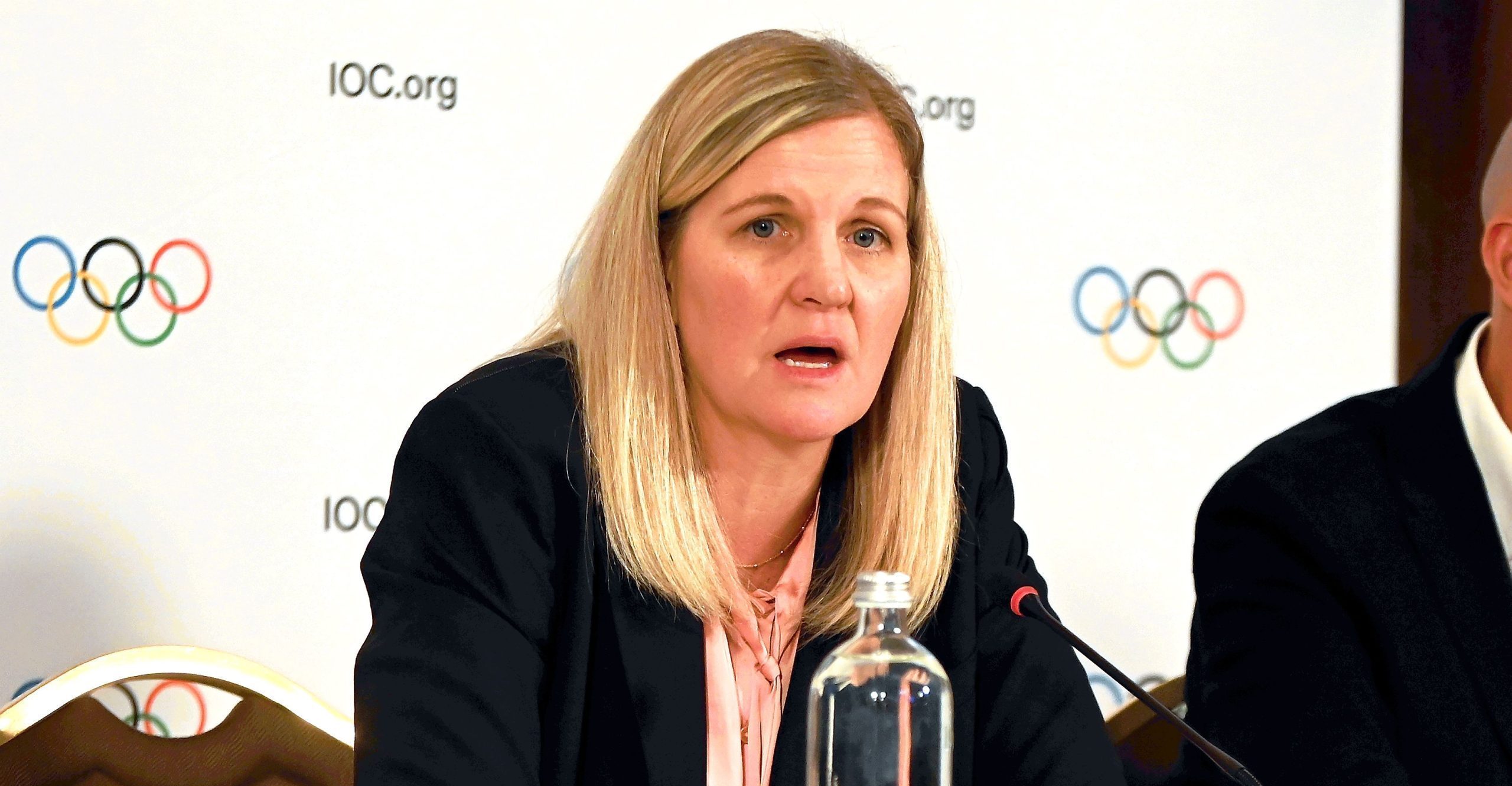
The city of Milan is moving forward on its path towards the Milano Cortina 2026 Olympic and Paralympic Winter Games with a programme of events and healthcare initiatives designed to build a cultural and social legacy rooted in health, wellbeing and inclusion. The symposium “Exercise for Health – Towards Milano Cortina 2026”, held at the Palazzo Reale, brought together medical experts, institutions and representatives of the sports world to highlight the role of physical activity in prevention and public health promotion.
A calendar of events on health and wellbeing
The programme will continue in September with the Health Legacy Symposium, organised in collaboration with LIUC University of Castellanza, and in October with a new edition of Milano4MentalHealth 2025, which will open on Friday, 3 October at the Palazzo Marino. This citywide initiative on mental health underlines the importance of psychological wellbeing as a common good, reinforces the fight against stigma and highlights the role of sport as a tool for social inclusion. From 6 to 9 October, the Casa dei Diritti will host a wide range of activities promoted by institutions and associations as part of the official programme.
At the same time, the overall project of Milano Cortina 2026 includes major investments to strengthen the healthcare system. The Grande Ospedale Metropolitano Niguarda in Milan and the Morelli Hospital in Sondalo (Valtellina) will become the two hubs of the Regional Olympic and Paralympic Hospital, serving as reference centres during the Games and beyond.
Investment in healthcare infrastructure
Regione Lombardia has allocated €50 million to the Milan–Valtellina healthcare axis, improving accessibility, technology and infrastructure. At Niguarda, the main projects include the renovation of both the general and paediatric emergency rooms, the creation of an Olympic ward with eleven single rooms, and the establishment of an Olympic Operations Centre powered by renewable energy.
The Sondalo Hospital will be enhanced as a centre of excellence in sports medicine, supported by a logistics network ensuring constant coordination with Milan. These improvements are complemented by prevention and education programmes such as ‘Fast Heroes’, focused on the early detection of stroke symptoms, and ‘Sport to Grow’, which promotes healthy lifestyles among young people.

Promoting movement and healthy lifestyles
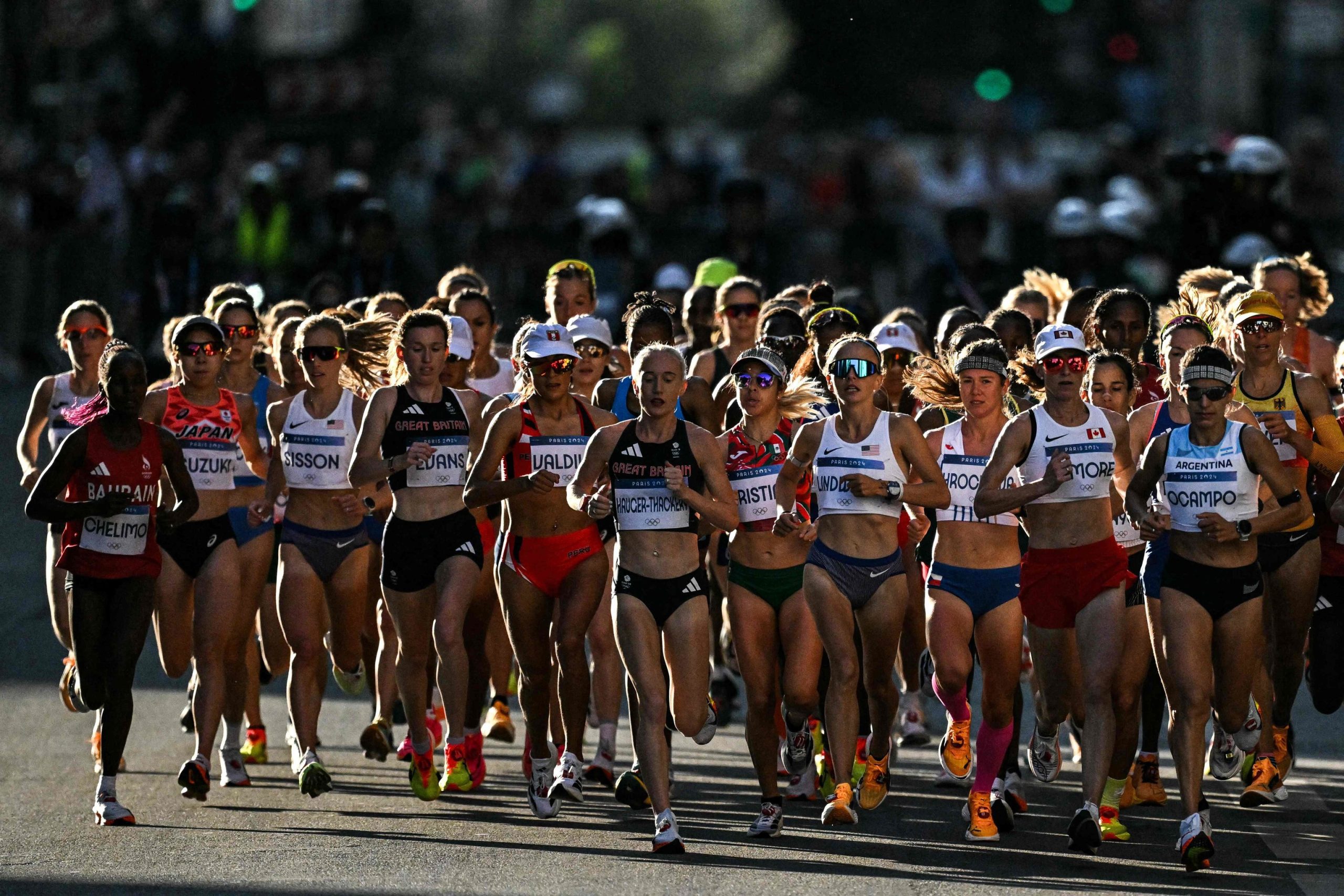
Data show a historic decline in sedentary behaviour in Italy, now at 32.8%, with two out of three citizens active. The Fondazione Milano Cortina 2026 is driving this transformation through the renovation of school gyms, the creation of urban playgrounds and the conversion of unused areas into spaces for physical activity. Among its initiatives is the Move More Toolkit, a practical guide for schools to encourage exercise among younger generations.
In addition, public events such as ‘Cortina in Wellness’ and the Festival of Nutrition and Longevity reinforce the message of adopting a healthy and conscious lifestyle. Through agreements with the Ministry of Youth Policies, thousands of young people are taking part in training and inclusion programmes linked to the values of sport.
Accessibility as a guiding principle
Milano Cortina 2026 embraces the concept of “Design for All”, integrating from the planning stage the needs of people with physical, sensory and cognitive disabilities. This approach guides the design of sports venues, villages, transport systems and public spaces, ensuring full access and autonomy.
The Ministry of Disabilities, together with the Ministry of Infrastructure and Transport and the Fondazione Milano Cortina 2026, has signed memorandums of understanding with representative associations to guarantee that every stage of the event—from logistics to mobility and from hospitality to the spectator experience—will be based on inclusion and equal opportunities.
Minister Alessandra Locatelli stated: “Milano Cortina 2026 will be a model of accessibility that will help to build a more inclusive country, attentive to the needs of every person.” The Olympic and Paralympic Games therefore aim to leave a lasting legacy in the host territories, with more accessible environments, greater social awareness and the promotion of an active lifestyle.
 Last related articles