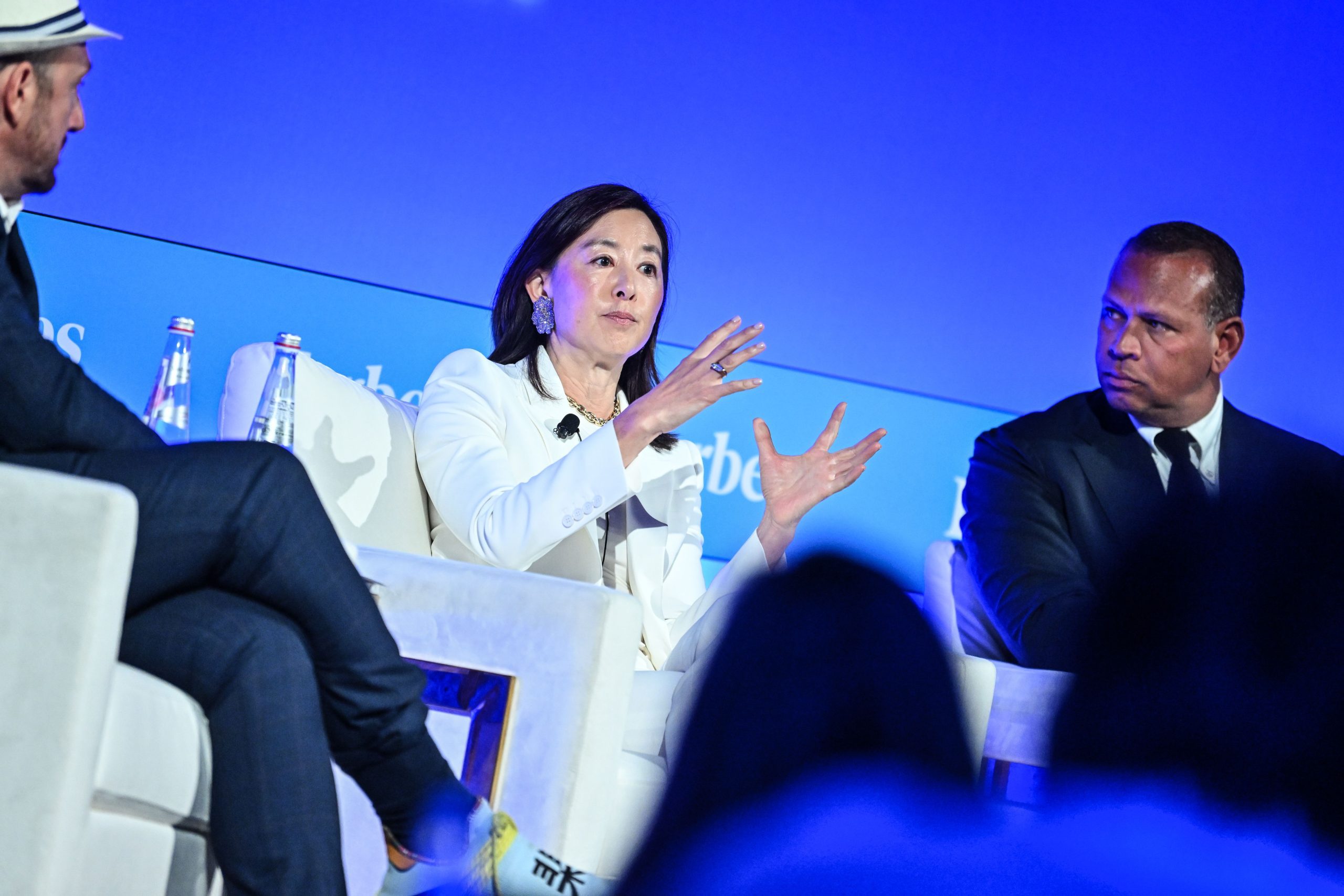
The International Olympic Committee (IOC) has taken a new step in its mission to promote sustainable development through sport, this time with a more localized approach. Within the framework of the High-Level Political Forum on Sustainable Development (HLPF), the IOC signed a letter of intent to join the Collaboration Platform for the Localization of the Sustainable Development Goals (SDGs), an initiative led by UN-Habitat and the Italian Ministry of Environment and Energy Security (MASE). This action aims to deepen its local impact, positioning sport as a key tool for social and environmental transformation.
During the event, IOC member and former President of Costa Rica, Laura Chinchilla, presented a roadmap with four areas of action to integrate sport into national SDG localization frameworks. Her intervention included a call to action to maximize the value of sport in urban planning, awareness campaigns, the development of institutional capacities, and the implementation of high-impact social projects backed by blended financing.
Global momentum and local action: sport as a catalyst for sustainable development
The IOC’s proposals are set against a challenging global backdrop. Chinchilla warned of the urgent need to accelerate the implementation of the 2030 Agenda, noting that only 18% of SDGs are currently on track to be achieved. In this regard, she highlighted the financial backing already underway, such as the $10 billion investment announced by the Coalition of Public Development Banks in sports infrastructure and human capital, and the 10% increase in the IOC’s budget, which will reach $650 million between 2025 and 2028 to strengthen sport’s positive impact.
In addition to financial support, Chinchilla recalled the recent political backing, such as the Pescara Declaration adopted by the G7 Development Ministers and the hosting of the first global sports investment forum. She emphasized that investing in sport not only generates community benefits and economic growth, but also significant savings in health and social protection. As a concrete example, she cited the impact of the Paris 2024 Olympic Games, which generated $9 billion in net benefits and a 55% reduction in carbon emissions. She also highlighted long-term programs such as Olympism365, present in 175 countries, and the new Cities, Sport and Inclusion Policy Plan of the Olympic Refuge Foundation.
 Last related articles