The Israel–Premier Tech team will undergo a change of name and identity in 2026 to ensure its continuity in the WorldTour peloton and to ease the friction that has surrounded the organization due to its ties to Israel. The decision comes after a season marked by protests on the road—especially visible at La Vuelta—and by talks with organizers and sponsors who have prioritized safety and stability.
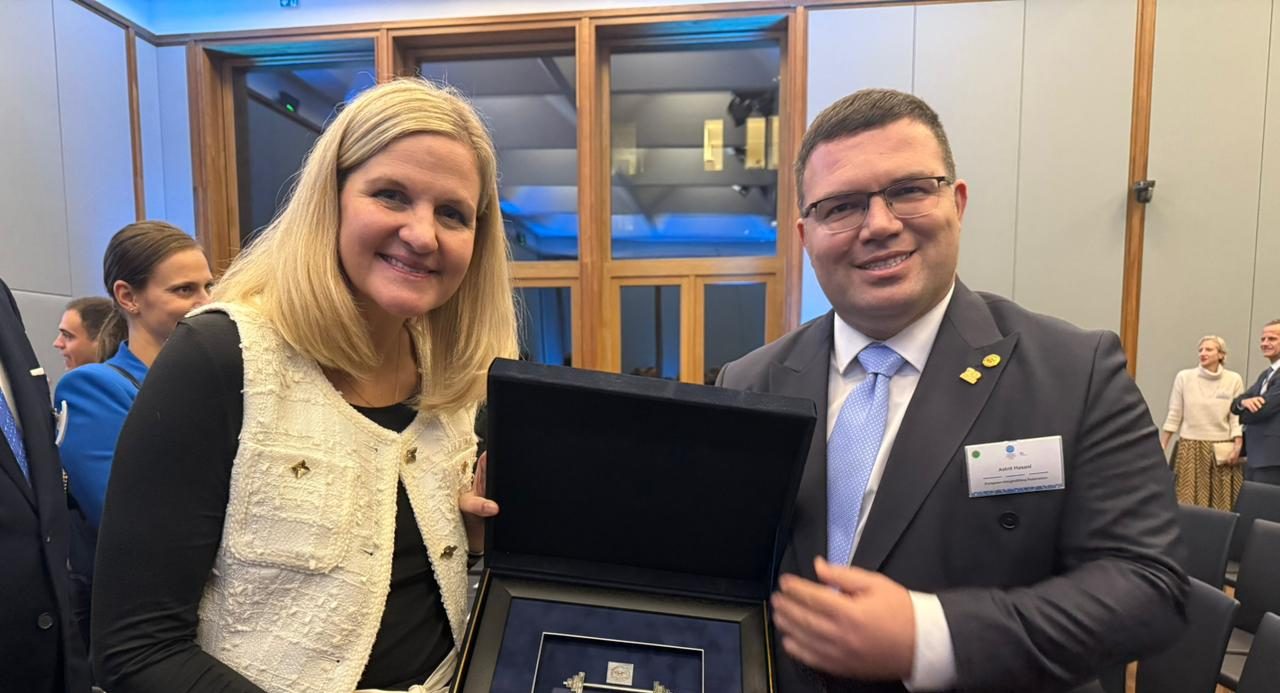
Adam Hansen, president of the international cyclists’ union Cyclistes Professionnels Associés — CPA, told ‘Cyclingnews’ about a meeting with Sylvan Adams (the team owner, a Zionist and linked to Israel’s prime minister, Benjamin Netanyahu) during the World Championships in Kigali: “We talked about everything that happened at La Vuelta, how it affected the team and the external tensions. Sylvan told me he would do everything possible to protect the riders.” For Hansen, the move “was not a surprise,” and he views it positively because it puts the focus back on performance.
What changes and what remains
Adams stepping back from day-to-day management symbolizes the shift but does not mean a financial withdrawal: he will continue to contribute a significant portion of the annual budget—he currently provides €10 million of the team’s €28 million—while the roster retains its Israeli riders. In parallel, the squad will undertake a full rebranding from 2026 (name, image, and communications policies) with the aim of normalizing its relationship with races and host cities.
The trigger has been cumulative: protests, reputational wear, and a media narrative that sidelined sporting performance in favor of the sponsor’s identity. The new roadmap seeks to reduce the political exposure of the jersey and stabilize invitations and licenses without altering the project’s competitive core.
Is this a harbinger of a trend?
What has happened may foreshadow “intermediate” solutions in other sports and brands with sensitive ties: adjustments to naming, softening of symbols, reinforced security protocols, and an explicit separation between sporting and political narratives. There is no single rule: the response will depend on the geography of the calendar, the type of link (sponsorship, ownership, location), and social pressure in each country.
Practically speaking, organizers and sponsors will assess on a case-by-case basis the combination of security risk and reputational erosion. When both factors build up, the likelihood increases of requesting branding changes that allow events to go ahead without turning them into a political plebiscite.
Will it affect Netanyahu’s government?
The impact on Israeli domestic politics is indirect. Sporting decisions of this kind shape external perception and can add reputational costs, but translating that into parliamentary support or coalition stability depends on variables outside cycling and sport. In the sporting ecosystem, by contrast, they are decisive: they defuse flashpoints, provide certainty to sponsors, and put the conversation back on the road.
In parallel, the industry is already operating under a stricter framework of compliance and reputational clauses: organizers, teams, and brands are building safeguards into contracts that allow adjustments to naming, symbols, or visibility if political or security circumstances change, along with risk protocols (pre-venue assessments, contingency plans, and coordinated messaging).
The UCI and the promoters of major races have strengthened their dialogue with local authorities and police forces; sponsors, for their part, demand ongoing due diligence and impact metrics to avoid being trapped in narratives external to the sport. This framework—more technical than ideological—explains why intermediate solutions (rebranding, shared governance, codes of conduct) are gaining ground as a way to preserve competition without turning every race number into a political referendum.
 Last related articles