For years, abuse in sport remained a silenced reality. In the absence of protocols, reporting mechanisms or trained personnel, many athletes went through their careers in environments that did not guarantee their safety. The International Olympic Committee -IOC- began addressing this issue in the early 2000s, laying the foundations for a transformation that has since been consolidated through targeted tools, training and integrated policies across the Olympic Movement.
The story of Gloria Viseras, a Spanish gymnast who competed at the Moscow 1980 Olympic Games, played a significant role in raising awareness within the IOC. Viseras was the victim of serious abuse by her coach when she was a minor. “No one taught me how to ask for help. Perpetrators know how to keep victims silent, and they do it by manipulating not only the victim, but also their entire environment,” she said. Three decades later, after publicly sharing her story, Viseras joined the IOC in a technical role to drive the development of safeguarding policies in sport.
“No one talked about it, it was taboo”
The IOC’s first institutional response took shape in 2007 with a consensus statement on harassment and abuse in sport. In 2016, the Games-time Safeguarding Framework was introduced — an operational structure to prevent and respond to abuse during the Olympic Games. In addition, a set of tools was made available to International Federations -IFs- and National Olympic Committees -NOCs- to support the development of their own safeguarding policies.
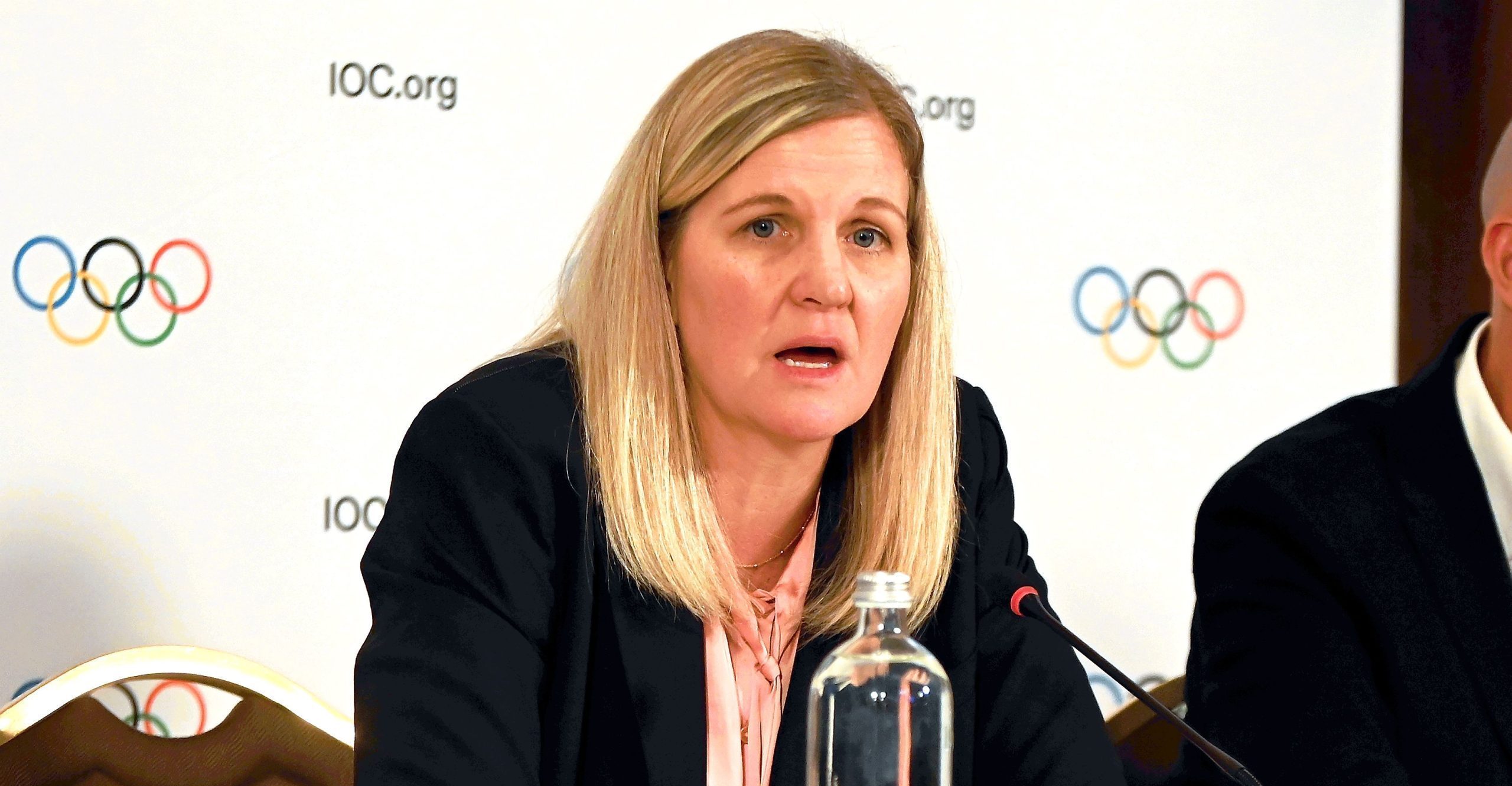
“Athlete protection wasn’t something people talked about in sport. It was taboo, even though it was widespread in society,” said Kirsty Burrows, Associate Director of the IOC’s Health, Medicine and Science Department. “In 2015, only one international federation had a formal safeguarding statement.” The shift in approach was reinforced through Olympic Agenda 2020+5, which positioned athlete protection as a strategic priority for the IOC.

IOC Greg Martin
Training and monitoring: pillars of the new approach
In 2021, the IOC launched the IOC Certificate: Safeguarding Officer in Sport, a 250-hour training programme delivered over seven months. Since its launch, 343 professionals from 99 countries have taken part in the course. According to IOC data, the percentage of IFs that have fully implemented safeguarding policies increased from 56% in 2022 to 82% in 2025. These figures are complemented by the participation of 197 NOCs in institutional reviews led by the organisation.
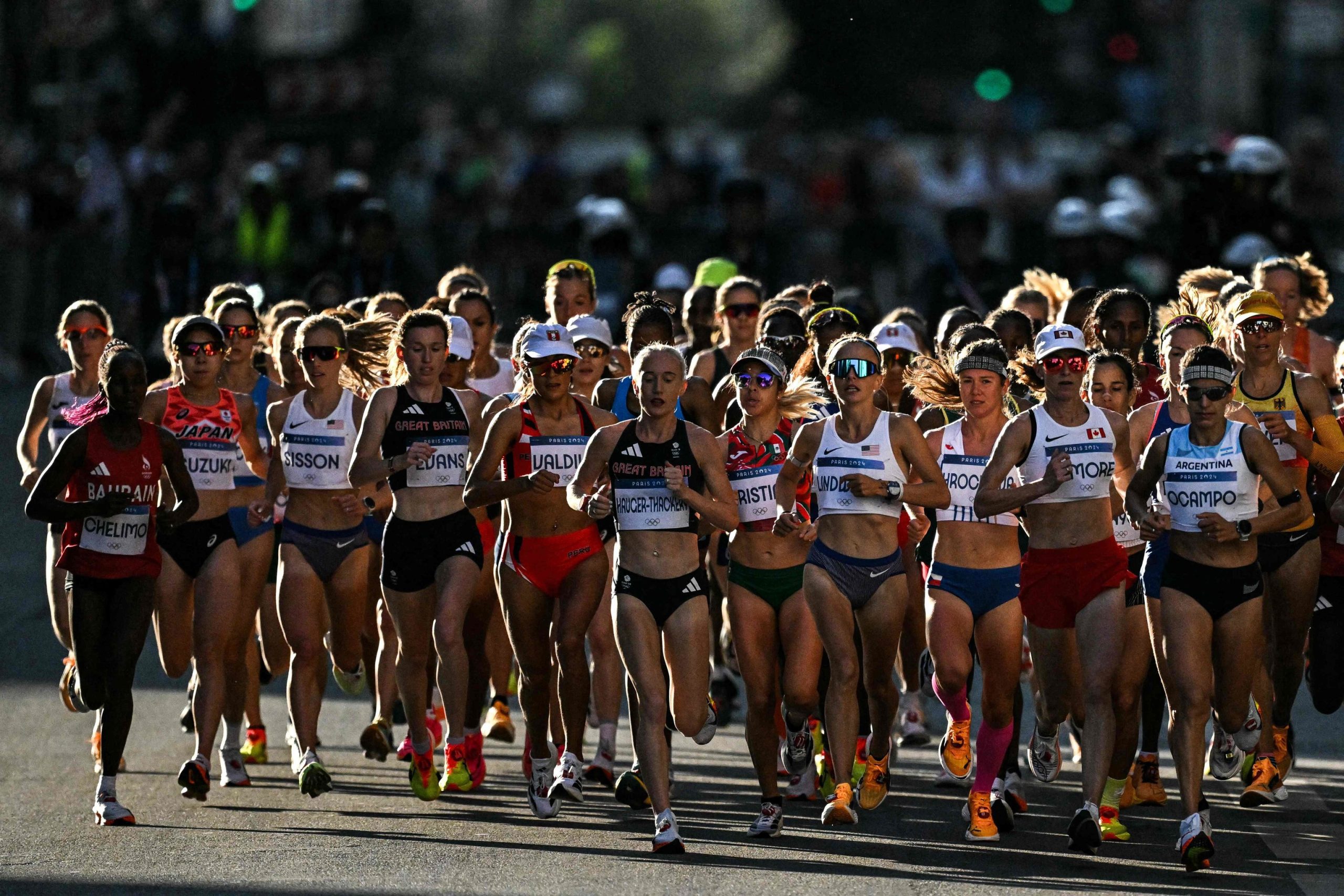
During the Paris 2024 Olympic Games, the implementation of these measures became especially visible. A total of 154 accredited welfare officers from 74 NOCs and 41 focal points from 32 IFs worked together to support athletes in case of need. In parallel, the Athlete365 Mind Zone x Powerade, located in the Olympic Village, offered over 2,300 virtual reality sessions based on mindfulness, along with quiet areas and trained staff capable of detecting signs of distress.
Tackling online harassment
The IOC has also introduced measures to address online harassment. For the first time, a digital safeguarding system was activated to monitor abuse on social media. It analysed more than 2.4 million posts in over 35 languages. When harmful messages targeting athletes or official personnel were detected, the system enabled a rapid response by removing content that violated platform guidelines and referring potentially criminal cases to the relevant authorities.
Beyond sporting events, the IOC has launched Safe Sport Regional Hubs in collaboration with civil society organisations, governments and academic institutions. Active in Southern Africa and the Pacific, these centres develop prevention, training and victim support systems tailored to each region. “Each hub is different because it responds to local needs,” said Burrows. This initiative is part of a broader IOC strategy that involves cooperation with organisations such as UNICEF, the World Health Organization -WHO-, and the United Nations Office on Drugs and Crime -UNODC-, with the aim of strengthening child protection on a global scale.
 Last related articles