Procurement raids, city-planning scandals, and mafia-style arrests shake Italy’s Winter Games preparations.
What began in May 2024 as a routine inspection of procurement documents has grown into one of the most complex legal and political crises surrounding an Olympic event in modern Italy. The corruption probes linked to the Milano–Cortina 2026 Winter Games now span the offices of the organising foundation, Milan’s city hall, and the realm of organised crime in Cortina d’Ampezzo.
Eighteen months on, these investigations have evolved into a system-wide test of Italy’s governance, transparency, and international oversight of Olympic preparations.
The first turning point came on 21 May 2024, when the Guardia di Finanza, Italy’s financial police, conducted coordinated searches at the headquarters of Fondazione Milano–Cortina 2026. Investigators focused on digital-services contracts, including technology platforms for ticketing and information systems. Although no arrests were made, the operation marked the official start of a judicial inquiry into whether certain tenders had been manipulated or irregularly awarded. Questions immediately arose about the foundation’s procurement culture and its control over hundreds of millions of euros in public and private funds.
Over the following months, prosecutors examined contracts and internal communications, uncovering a series of inconsistencies involving former executives and technology firms. By early 2025, attention had expanded beyond the contracts themselves to the processes by which bids were evaluated a central issue in Italian public tenders, where breaches of fairness can trigger charges even without direct evidence of bribery.
The investigation took a political turn in July 2025. Milan prosecutors opened a separate inquiry into property developments and urban-planning approvals, implicating more than seventy individuals. The probe focused on potential misconduct in fast-tracking building permits and the relationships between developers and municipal officials. Several projects under scrutiny were linked to the Olympic Village and related infrastructure. Mayor Giuseppe Sala publicly denied wrongdoing, but the investigation stirred a storm around City Hall, forcing national politicians and the Italian Olympic Committee to defend the integrity of preparations.

The crisis deepened in early October 2025, when the Carabinieri and Italy’s anti-mafia directorate executed arrest warrants in Cortina d’Ampezzo. Three suspects, including two men described as brothers with ties to an organised network from Rome, were detained for alleged intimidation, threats, and violence to control access to Olympic venues and related commercial contracts. Prosecutors described their actions as mafia-style extortion aimed at seizing control of event spaces and the local services economy. The arrests shifted the narrative from administrative malpractice to organised-crime infiltration, a phenomenon Italy has battled for decades.
At this stage, three distinct yet interconnected investigations were underway: the procurement inquiry, the urban-planning case, and the criminal enforcement in Cortina. Each follows its own judicial process, and none has yet produced final convictions. Together, however, they have created an atmosphere of uncertainty and mistrust around the 2026 Winter Olympics.
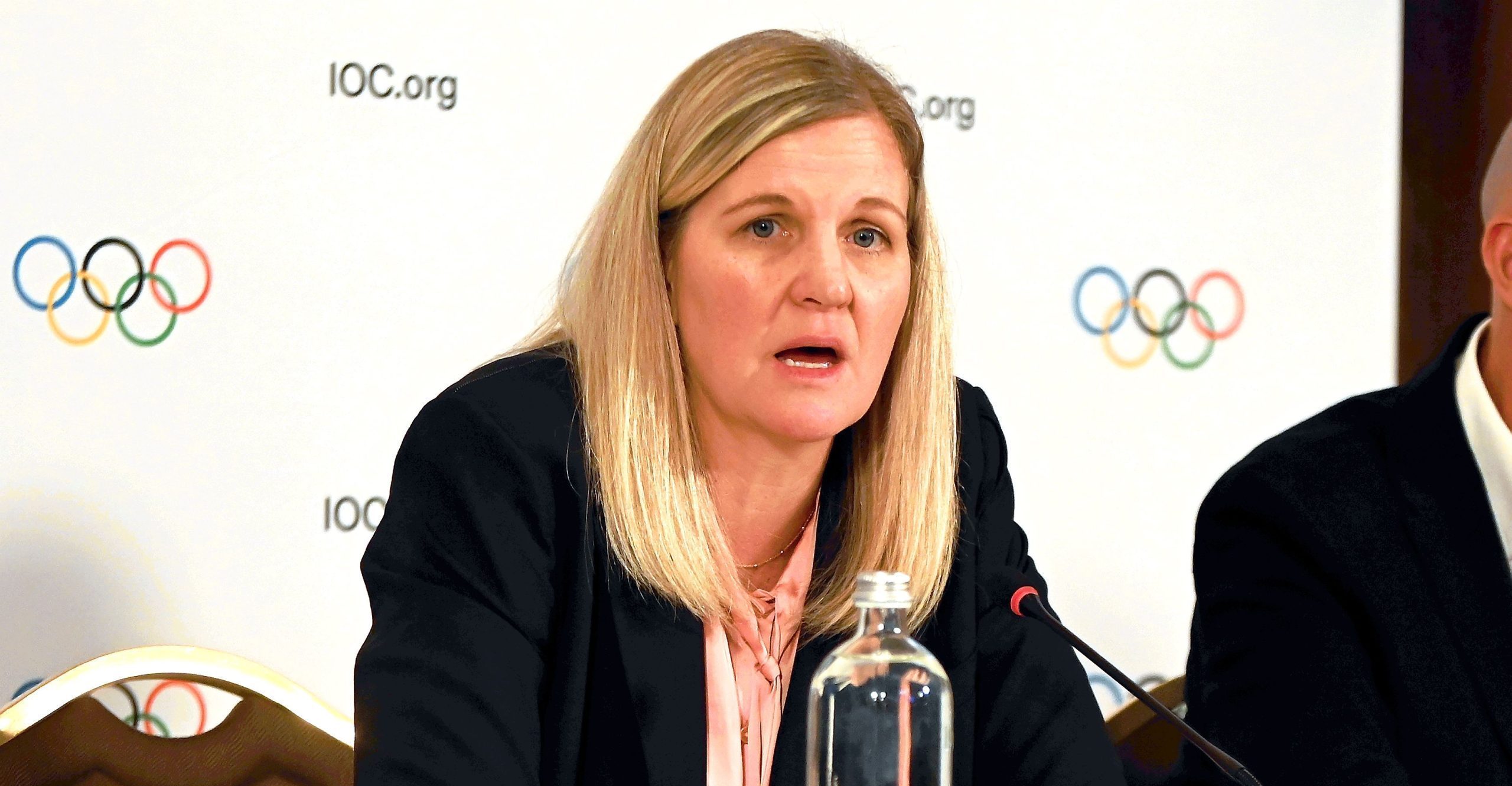
The scandals have also drawn attention to the governance structure of the organising foundation, where members of the International Olympic Committee hold formal roles. Some sit on the foundation’s board and the IOC Coordination Commission, which monitors preparations. While no IOC member faces criminal proceedings, their proximity to the event’s management raises questions about oversight and transparency.
The operational stakes are high. Procurement reviews can delay contracts, urban-planning investigations can stall permits, and mafia prosecutions can force supplier replacements. Each delay adds pressure on organisers racing to complete infrastructure across two regions. Public authorities, sponsors, and broadcasters have invested billions, counting on a seamless delivery less than a year before the opening ceremony.
Italian officials have tried to project calm. The Fondazione Milano–Cortina pledged full cooperation with investigators, insisting the project timeline remains intact. The government has reassured the public that the Games will proceed as scheduled, framing the probes as evidence that oversight mechanisms are functioning. Still, the shadow of corruption and criminal infiltration so close to a global event cannot be ignored.
The Milano–Cortina 2026 investigations now reflect three persistent challenges in Italy, bureaucratic opacity, political fragility and the enduring influence of organised crime. While no IOC officials are implicated and no convictions have been made, the pattern exposes systemic weaknesses that organisers and international partners will need to confront.
If judicial processes continue into 2026, Italy will host its Winter Games under a cloud of uncertainty, balancing the spectacle of sport with the demands of accountability. The outcome will depend not only on courts but also on whether leaders take steps to address the vulnerabilities laid bare by this prolonged investigation.
Editor’s note: This article is based on judicial filings, Italian financial-police records, and verified reporting from official and national sources.
 Last related articles