The International Basketball Federation – FIBA successfully hosted the sixth edition of the FIBA 3×3 U23 World Cup on Sunday in Xiong’an (China), where Lithuania claimed the men’s title and the Netherlands secured the women’s crown. Since its creation, the tournament has become a key platform for young players with international projection and has taken on an increasingly important role within the Olympic 3×3 ecosystem.
The U23 World Cup was first staged in 2018 in Xi’an (China). Since then, six editions have been held (2018, 2019, 2022, 2023, 2024 and 2025), with the exception of 2020, when the COVID-19 pandemic forced its cancellation. Each edition features 20 men’s and 20 women’s teams, underlining the tournament’s stability and institutional strength.
In addition, evidence shows that FIBA has boosted the tournament’s visibility by positioning it alongside other official competitions, embedding it in the international youth calendar and linking it with ranking points that carry weight in future Olympic events.
Global participation and European dominance
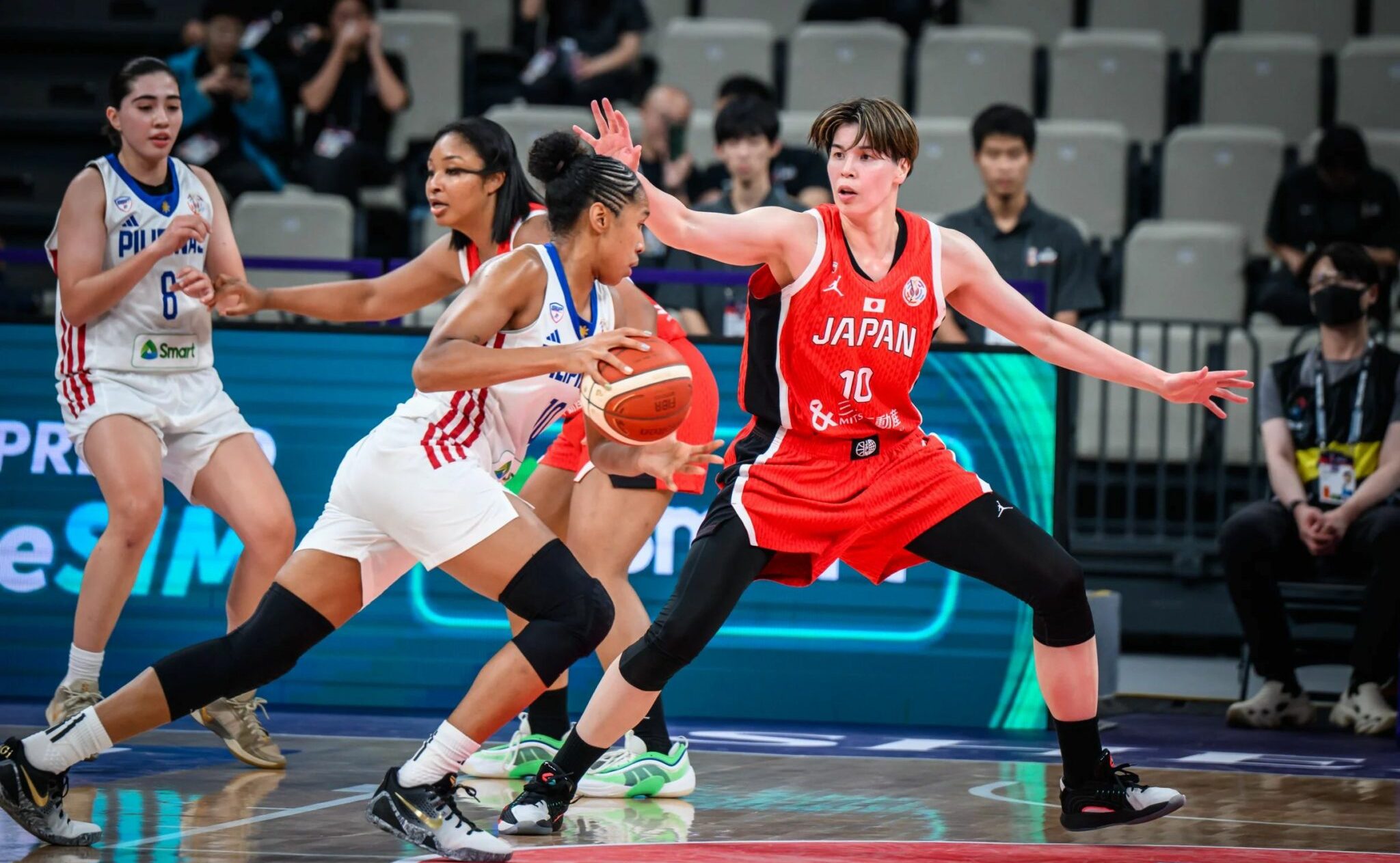
In this year’s edition, Lithuania defeated Serbia 19-14 in the men’s final, while Czechia secured third place after overcoming Croatia in overtime. On the women’s side, the Netherlands beat France 17-13 in the title game and Spain completed the podium with an 18-12 victory over Japan. The men’s MVP award went to Rokas Jocys, while Lotte Van Kruistum claimed the women’s honor, both posting standout scoring numbers. These results reinforce the recent dominance of European nations in the discipline.
Participating federations represented all FIBA regions (Americas, Asia-Oceania, Europe and Africa), underlining the tournament’s geographical expansion. In 2025, the combined field of 40 teams (20 men’s and 20 women’s) highlighted the event’s growing international reach.
Strategic implications for federations and the IOC
This increase in editions and participation underscores the consolidation of 3×3 as an Olympic discipline, since its inclusion at the Tokyo 2020 Olympic Games. National federations now face challenges in training, planning and developing athletes with specific tactical and physical profiles suited to the 3×3 format, which differs significantly from traditional 5×5 basketball.
For Olympic committees, the U23 World Cup provides a crucial showcase for emerging talent, contributing to the identification of athletes who could go on to compete at the Olympic Games or other multisport youth competitions. It also encourages the development of infrastructure, specialized coaches and institutional support programs, priorities that several federations have already begun to implement.
 Last related articles