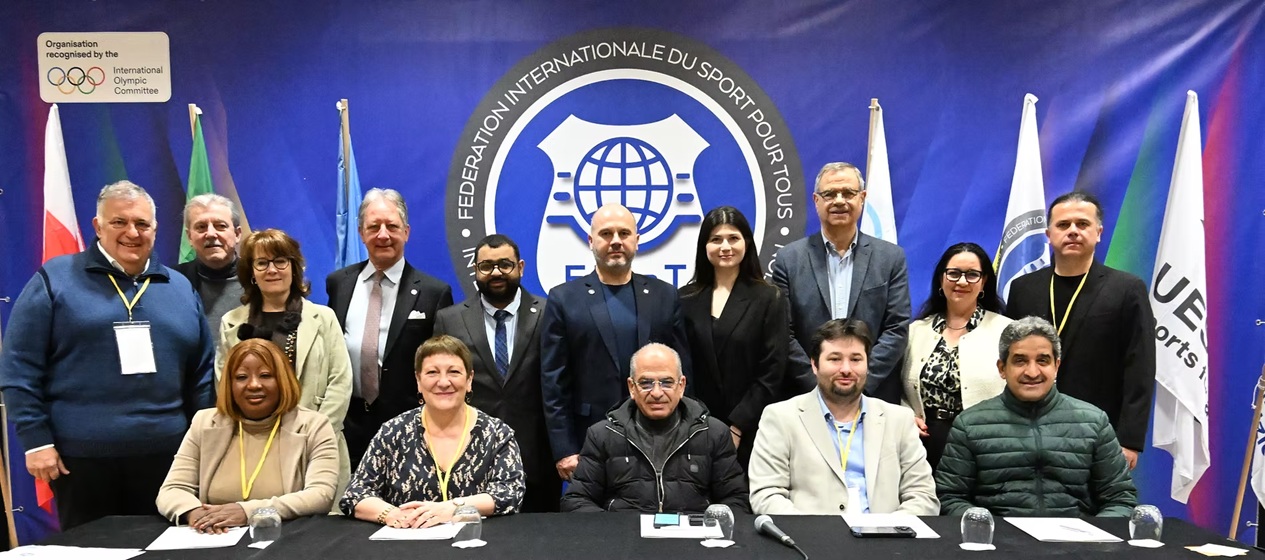
The Gender Leadership Conference held in Tokyo during the World Athletics Championships brought together the six area associations of World Athletics, each committing to implement concrete measures in favor of equity. The international federation, which had already achieved gender parity on its Council ahead of schedule, has decided to go further with the creation of the Allyship Award, a recognition designed to drive profound and lasting change through the active involvement of individuals and organizations in advancing equality.
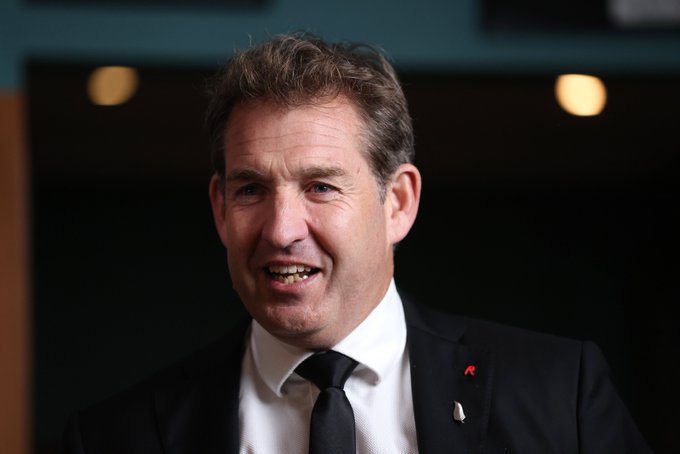
The term allyship refers to active alliance, meaning the joint participation of men and women in building more balanced structures. It goes beyond meeting representation quotas to transform organizational culture. Sebastian Coe, president of World Athletics, underlined this at the opening of the conference: “One of the keys that sets us apart is male advocacy. It is not just desirable, it is essential.”
The goal of World Athletics is to consolidate a sustainable model that extends beyond competition and reaches coaches, referees, administrators, and officials. The intention is for equality not to rely solely on isolated reforms, but on the involvement of every stakeholder in the system. According to Stephanie Hightower, Chair of the Gender Leadership Taskforce, “we want to continue to accelerate on all levels, from coaches to officials.”
Concrete actions from continental associations
Continental associations presented their own plans to apply this approach regionally. The North American, Central American and Caribbean Athletics Association (NACAC) will introduce a quota of two female referees at every international event and will support its member federations in recruiting female coaches and referees. Asia will focus on training and coach development, while Oceania will create internship opportunities to strengthen women’s participation.
South America announced constitutional reforms to remove barriers for women in leadership positions, as well as expanded training programs for coaches, officials, and leaders. Africa will prioritize education, mentoring, and legal reforms, while Europe plans to establish clear pathways, inclusive policies, and more internships for women across federations.
A change with international impact
World Athletics has emphasized that this process is not intended as an internal benchmark, but as a model to inspire other sports. Coe highlighted: “So many other sports look to us to set the standard, but this is no longer a standard, it is the new normal.” The creation of the Allyship Award, to be presented on International Women’s Day 2026, is designed to showcase successful examples and amplify their influence.
The federation is also preparing to launch an Executive Leadership Academy, a 12-month training course to provide future female leaders with the skills needed to take on positions of responsibility. The objective is to ensure that progress on gender equality is sustained over time, creating stronger structures both within and beyond athletics.
 Last related articles