Rugby fans from around the world can now start planning their attendance at the Rugby World Cup 2027, following the official launch of the ticketing program at an event held in Sydney. This new edition, set to take place in Australia, will not only be the largest in the tournament’s history—with over 2.5 million tickets available—but also the most inclusive and accessible, with pricing designed for all audiences and a series of innovative options to enhance the experience.
Pre-sale of tickets will begin in February 2026, after the match schedule is announced in January of that same year. One highlight is the Superfan Pass, which will allow fans to secure early access to all matches, including the opening game and the grand final. In addition, starting July 30, 2025, fans will be able to purchase premium packages with hospitality included for eight selected matches. All of this is part of a fan-focused approach, with simple, inclusive, and transparent processes.
Affordable tickets, new options, and a fan-centered experience
Ticket sales for RWC 2027 promise to set a new standard: adult tickets will start at AUD$40, and there will be one million tickets priced under AUD$100, with children’s options from AUD$20. The goal is to ensure accessibility for all kinds of audiences, from loyal supporters to families attending the tournament for the first time. Free admission will be offered for children under two years old, and accessible seating will be available for people with reduced mobility or specific needs, along with companion seats.
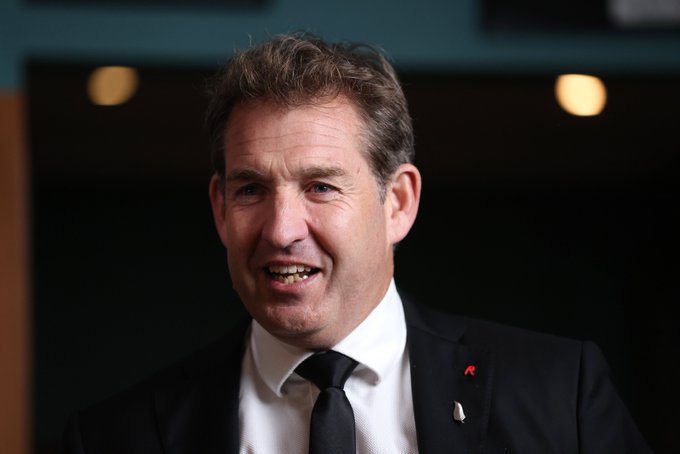
The Superfan Pass, limited to 2027 units, will go on sale on August 5, 2025, and will allow fans to purchase up to four tickets per match for any of the tournament’s 52 games. Additionally, hospitality and travel packages will be available starting in 2025 and 2026 respectively, offering full experiences to enjoy the World Cup. As World Rugby chairman Brett Robinson highlighted, this edition aims to leave a positive legacy for rugby in Australia and around the world, with expectations of attracting 250,000 international visitors and generating a direct economic impact of AUD$1.3 billion.
 Last related articles