While cricket and rugby may dominate the headlines, a different kind of athletic movement is growing across Australia, one defined by sweat, strategy, and one-on-one combat. From bustling city gyms to remote regional clubs, combat sports are now an undeniable part of Australian sports culture. With the Brisbane 2032 Olympics on the horizon, interest in these disciplines, both Olympic and non-Olympic, is entering a new phase.
Among the many martial disciplines practised across the country, a handful have emerged as the most popular, both in participation numbers and cultural reach.
MMA
Mixed Martial Arts (MMA) leads the charge in terms of popularity and visibility. While not yet part of the Olympic programme, MMA’s explosive rise has reshaped Australia’s gym culture and attracted a generation of young athletes eager for full-contact, reality-based training. Fuelled by the success of UFC champions like Alexander Volkanovski, the sport is now embedded in local fitness culture. Although MMA does not have a single national Olympic-recognised body, the International Mixed Martial Arts Federation of Australia (IMMAFA) is working to regulate and unify the amateur scene, laying the groundwork for future recognition at the Olympic level. MMA has also gained momentum on the international stage through its inclusion in the Asian Games under Japanese leadership, strengthening its case for wider global acceptance.
Boxing
Boxing remains a foundational sport in the Australian combat community. With roots dating back more than a century, it combines tradition with Olympic ambition. The national governing body, Boxing Australia, oversees the development of athletes from the grassroots to elite international competition. Supported by the Australian Institute of Sport (AIS) and recognised by the Australian Olympic Committee (AOC), Boxing Australia is actively preparing the next generation of Olympic contenders for Brisbane 2032. Community clubs remain active in every state and territory, continuing boxing’s legacy of accessibility and high performance.
Muay Thai
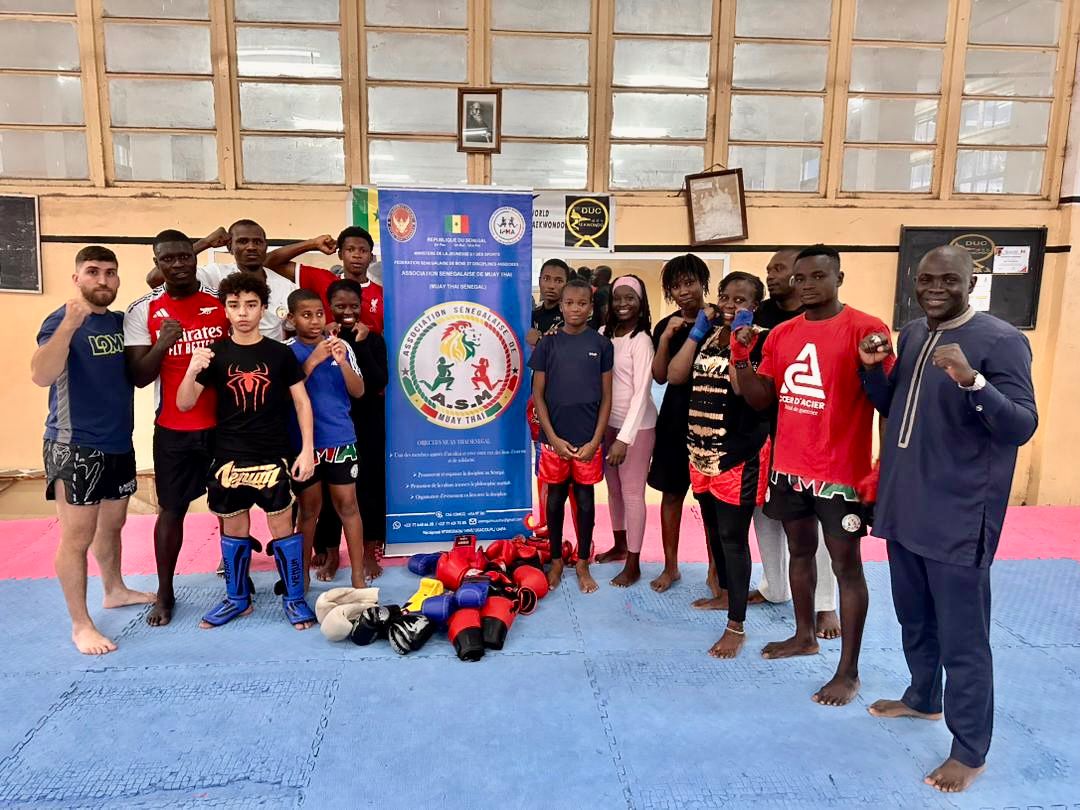
Muay Thai, also known as Thai boxing, has earned a dedicated following, especially in Queensland and New South Wales. Known for its striking intensity and cultural depth, it has become a favourite among those seeking both physical fitness and competitive challenge. Muaythai Australia, affiliated with the International Federation of Muaythai Associations (IFMA), is the recognised national body. With IFMA now fully recognised by the International Olympic Committee, the possibility of Muay Thai entering the Olympic programme, potentially as soon as Brisbane 2032, has become a realistic and exciting prospect for Australian athletes.
Taekwondo
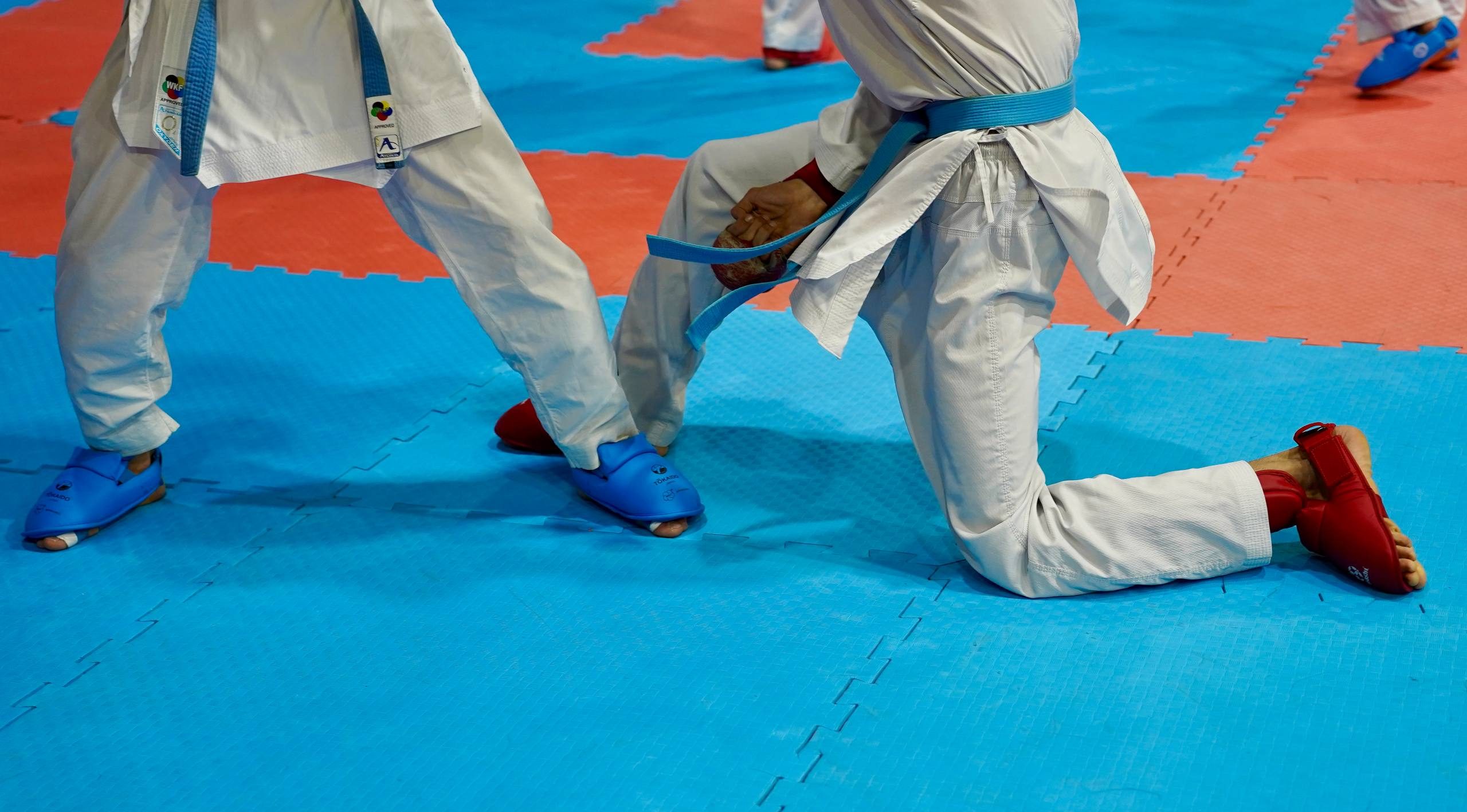
Taekwondo stands out as the only sport on this list already entrenched in the Olympic Games. Practised widely across schools, clubs, and multicultural centres, it is known for its speed, flexibility, and dynamic kicking techniques. The national federation, Australian Taekwondo, is fully recognised by World Taekwondo, the IOC, and Sport Australia. Following a unification process in recent years, the federation has focused on strengthening its elite development pathways while also boosting youth and grassroots participation. This is part of a broader effort to produce homegrown medal contenders for Brisbane 2032.
Judo
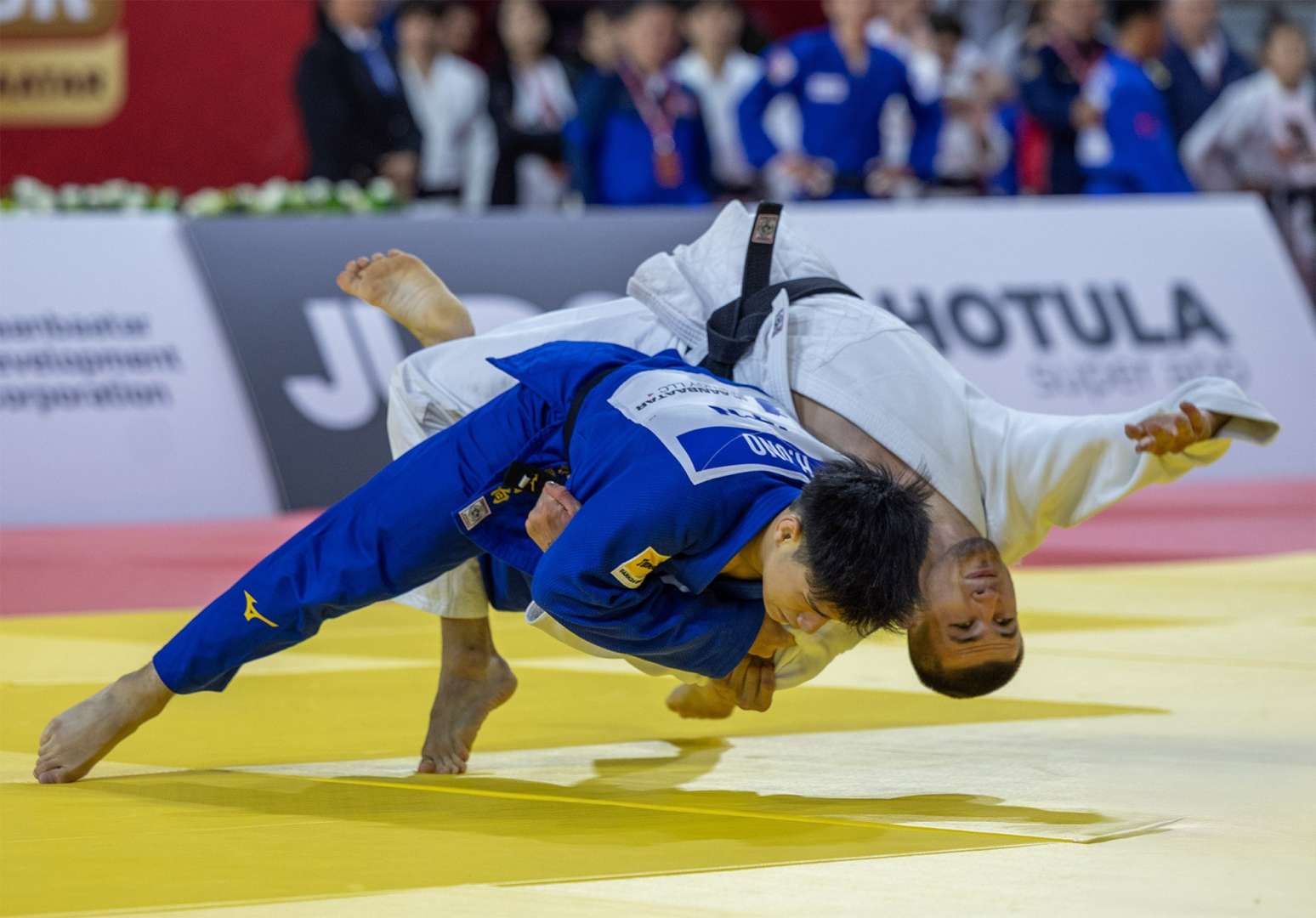
Judo, one of the earliest Asian martial arts to enter the Olympic stage, maintains a firm foothold in Australia. The sport emphasises throws, ground control, and discipline values that resonate with Australian athletes and coaches alike. Judo Australia, the national governing body, works closely with the Australian Olympic Committee and the International Judo Federation (IJF) to nurture talent from club level to elite international competition. With growing participation among youth and women, judo continues to build momentum as a core Olympic combat sport.
Ju-jitsu
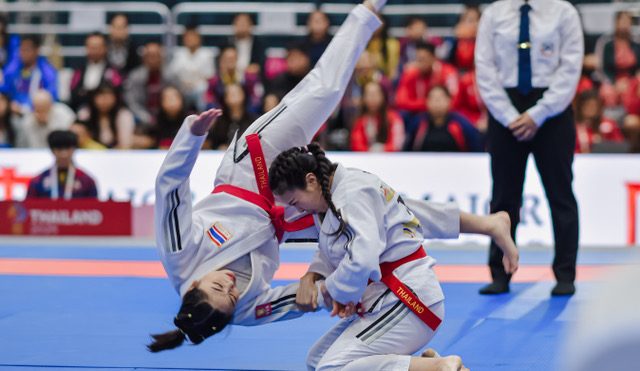
Australian Ju-Jitsu is enjoying a quiet but steady resurgence. With a heritage rooted in classical Japanese techniques, the sport focuses on self-defence, balance, and control. While not currently part of the Olympic programme, the Australian Ju-Jitsu Federation (AJJF), affiliated with the International Ju-Jitsu Federation (JJIF), oversees national development and international participation. Its structured belt system and inclusive philosophy make it popular among both adults and younger students, many of whom participate in state and national-level tournaments.
What connects all of these sports, despite their stylistic and structural differences, is a growing national appetite for discipline, challenge, and resilience. From Olympic hopefuls in taekwondo, boxing, and judo to aspiring ju-jitsu champions and amateur MMA fighters, Australians are embracing combat sports like never before.
As the Brisbane 2032 Olympics approach, combat sports are poised to occupy a more prominent place in Australia’s athletic narrative. With national federations investing in infrastructure, talent development, and international partnerships, the arenas of taekwondo, boxing, ju-jitsu, judo, Muay Thai, and MMA are set to become powerful stages for Australian ambition, identity, and global competitiveness.
 Last related articles