Sport has the power to transform lives and inspire change, but many women and girls around the world still face barriers that prevent them from fully participating in sporting activities. As part of International Women’s Day 2025, the International Olympic Committee (IOC) highlights the elite and community-level programs of the Olympic Movement and its partners, with the aim of ensuring that all women and girls have the opportunity to participate in and benefit from sport, promoting the #SportForAllWomenAndGirls initiative.
According to UN Women data, at age 14, girls drop out of sport at twice the rate of boys due to factors such as societal expectations, lack of investment in quality programs and other challenges. However, sport plays a crucial role in empowering girls, providing them with essential skills such as self-esteem, confidence, resilience and teamwork, which are critical to their personal and professional development.
GENDER PARITY IN THE OLYMPIC GAMES
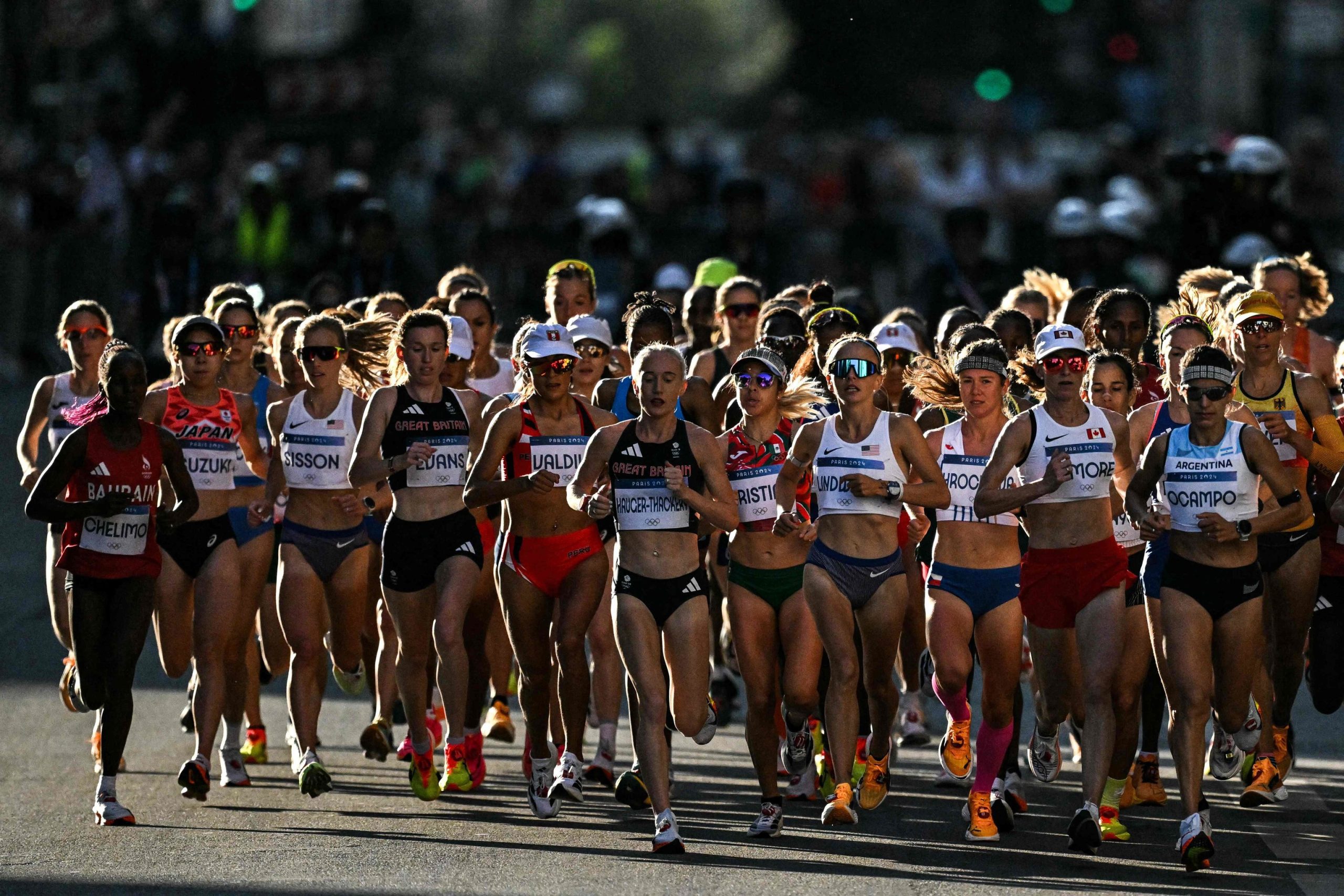
The Olympic Games have made significant strides in gender equality. For the first time in history, the Games achieved gender parity on the field of play, thanks to the equal distribution of places between male and female athletes by the IOC. This achievement was consolidated in Paris 2024, where a balanced calendar was presented that gave equal visibility to male and female events, inspiring a new generation of female athletes to pursue their sporting dreams.
In addition, this equality enabled the media to provide balanced coverage of men’s and women’s sports during the Games, marking a significant shift in the representation of women in sport. This progress will continue at the Milano Cortina 2026 Olympic Winter Games, which will be the most gender-balanced in history, with a record 47% female participation.
NEW EVENTS FOR WOMEN AT MILANO CORTINA 2026
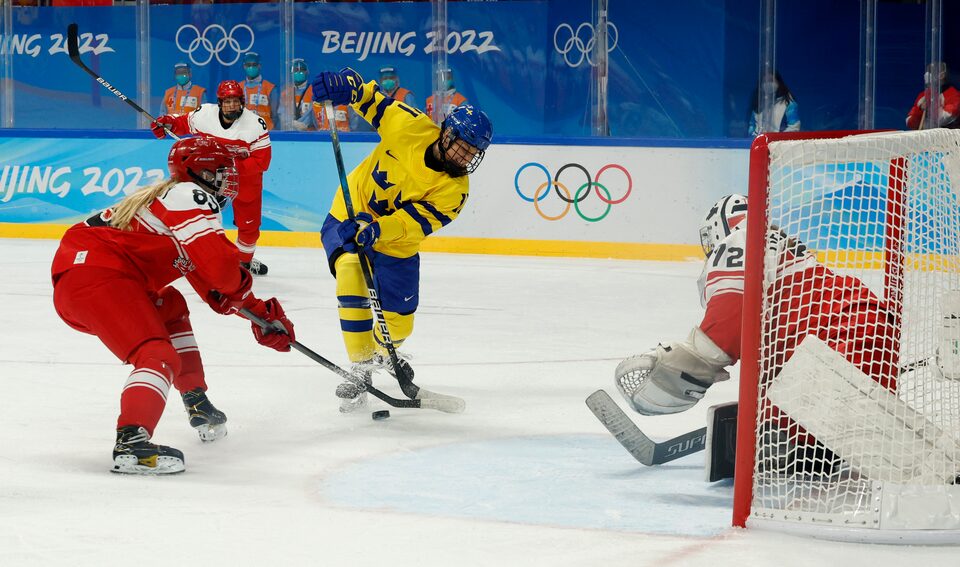
Milano Cortina 2026 will also include four new women’s events: ski mountaineering sprint, pairs luge, freestyle ski dual moguls and individual big hill ski jumping. This will bring the total to a record 50 women’s events, cementing the Olympic Movement’s commitment to gender equality in sport.
These advances not only expand opportunities for female athletes, but also send a clear message about the importance of representation and inclusion in sport, inspiring more women and girls to participate in sport disciplines that have historically been dominated by men.
CREATING OPPORTUNITIES THROUGH SPORT
The IOC, in collaboration with National Olympic Committees (NOCs), International Sports Federations (IFs) and external organizations, works to ensure that women and girls have year-round access to sport through a wide range of community programs. One of these outstanding projects is the ‘Play for Equity Fund’, which promotes gender equality and contributes to the prevention of gender-based violence through sport.
Currently, this fund supports 21 projects in 13 countries in Oceania, including the ‘She’s a Ruck Star’ program of the Cook Islands Rugby Union. This program teaches rugby and leadership skills to girls between the ages of 6 and 18, helping them develop confidence and key skills during crucial stages of their growth.
OLYMPISM365 STRATEGY AND GLOBAL IMPACT
The ‘Play for Equity Fund’ is part of the IOC’s Olympism365 strategy, a collaborative initiative led by the Oceania Impact Network (OIN). This network includes the IOC, the Oceania National Olympic Committee, UN Women and the Australian Government’s sports development program, Team Up. Together, they work to ensure that sport is a tool for social change, promoting gender equality and community development.
International Women’s Day 2025 is an opportunity to reflect on the progress that has been made and the challenges that remain in the fight for gender equality in sport. Through initiatives such as these, the Olympic Movement reaffirms its commitment to breaking down barriers and ensuring that all women and girls can benefit from the transformative power of sport.
 Last related articles