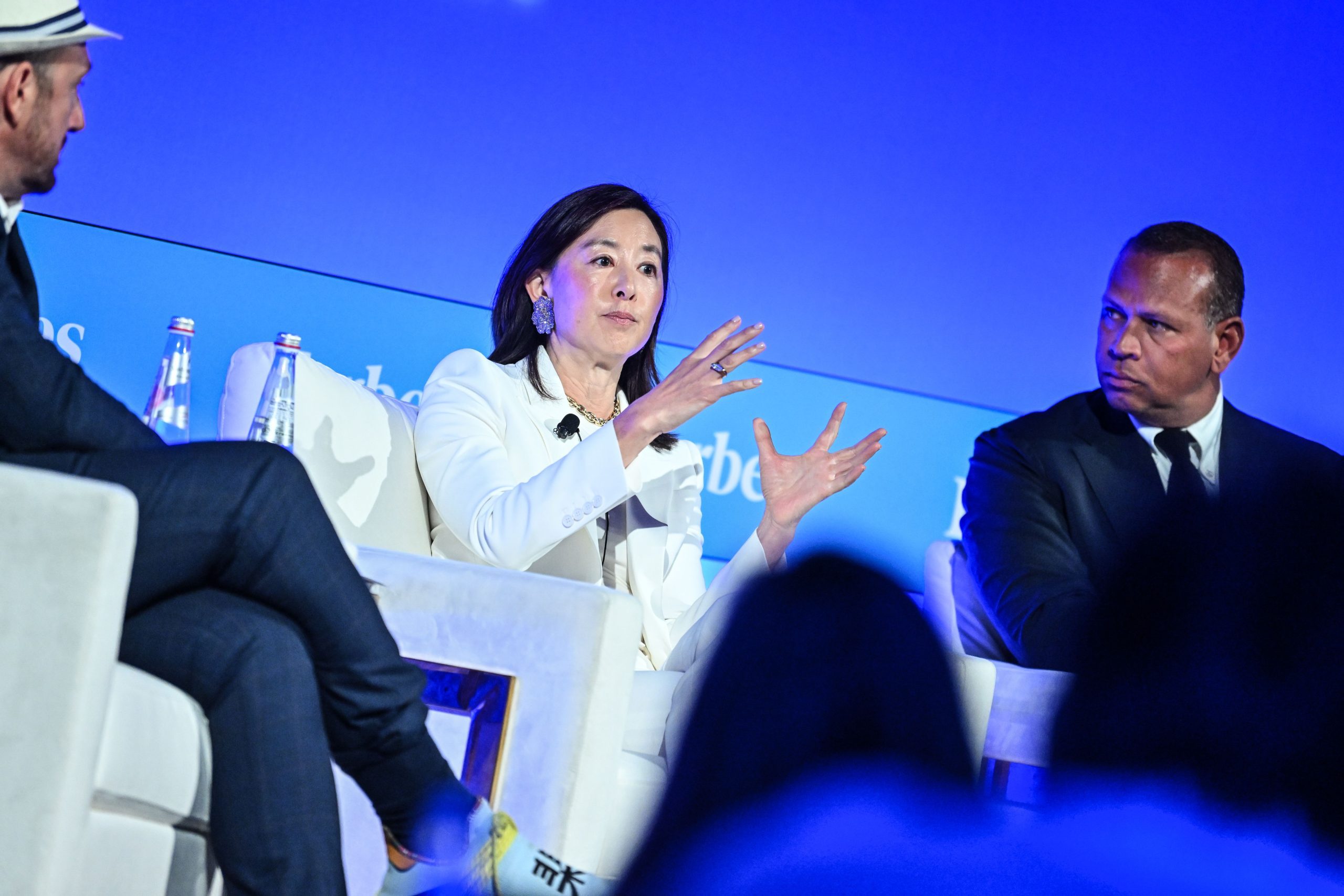
After an eight-year hiatus, the International Convention on Sport in Africa (CISA) has returned with strength in its 11th edition, held in Dakar from February 19 to 21. This event, which brings together leaders, experts, and enthusiasts of African sports, has been a meeting point to discuss the challenges and opportunities for sports on the continent. Diamil Faye, President of the Organizing Committee, reflects on the achievements, challenges, and impact of this edition, as well as the future of CISA and African sports.
Mr. President, after an eight-year pause, what are your impressions of this 11th edition of the International Convention on Sport in Africa (CISA), held in Dakar? What do you think was the most significant aspect of this event?
First of all, I would like to thank our institutional partner, ANOCA, which has supported us since 2007. After an eight-year pause, I am delighted and proud to see CISA back in Dakar. Expectations were high, and we managed to bring together leaders, experts, and sports enthusiasts from all continents except Oceania. It wasn’t easy, especially with the AFRICA FOOTGOAL conference taking place just two days earlier. What surprised me the most was the diversity of participants and the richness of the exchanges. Additionally, the strong involvement of young people in the organization and panels shows that the new generation is ready to innovate and advance African sports.
This year’s central theme is “African Sport in Motion.” What does this theme mean to you, and how does it reflect the changing landscape of African sports?
We are still lagging behind, despite progress in some countries like North Africa, South Africa, and Rwanda. Sports are struggling to become a true industry in Africa, even though they represent about 2% of GDP in Europe and generate billions of dollars in the United States. The theme “African Sport in Motion” is a call to action for everyone involved in sports on the continent. We must do everything possible to transform sports into a ability for social and economic development. While there have been advances, such as increased visibility through digital media, we must continue to innovate and overcome challenges related to funding and infrastructure.

Have the initial goals of this edition of CISA been achieved?
Yes, we have achieved our goals. One of the main objectives was to bring together key players in African sports to discuss challenges and opportunities. Although we didn’t break the record for participants, we had over 300 people each day, representing various countries and sectors. This facilitated enriching exchanges both in the conference room and in the networking area. We were also pleased with the involvement of young people, organizing this edition with local resources and delivering the CISA Kids program, which allowed several schools to introduce their students to new sports.
Speaking of CISA Kids, can you tell us more about this program?
CISA Kids is a program committed to education through sports, launched in 2007 to accompany the International Convention on Sport in Africa (CISA). Its goal is to contribute to children’s education through sports, arts, and culture. Each year, CISA Kids takes place in different schools in Senegal from December to May, culminating in June with a major sports, arts, and cultural festival called FESTIVEN, which attracts thousands of children, both in and out of school. This year, the theme was children’s well-being and mental health, with a campaign to better understand their needs, in collaboration with United Through Sport (UTS).
What were the most discussed topics at the convention? Was there any topic that sparked particular interest or debate?
It was difficult to pinpoint specific topics, as the debates were very open and dynamic. One key topic was accessibility and inclusion in sports, with speakers from Special Olympics and the Paralympic movement, including Lahja Isithile, Namibia’s gold medalist in the 400 meters (T11) at the Paris Paralympic Games. Another important topic was “How to Develop and Retain Talent in Africa,” with concrete proposals to keep African athletes on the continent. The revolution of esports also captured attention, with contributions from HRH Prince Faisal Bin Bandar and Leandro Larossa, as well as traditional sports, such as Senegalese wrestling and camel racing, presented by HRH Prince Fahad Bin Jalawi.
What impact do you think CISA will have on the development of sports in Africa in the short and long term?
CISA will have a significant impact both in the short and long term. In the short term, it creates a space for constructive exchanges among sports stakeholders, which can lead to strategic partnerships. In the long term, CISA can catalyze sustainable change by building local capacity, establishing certification programs for sports managers, and engaging young people to reduce violence and crime. Additionally, it will promote more inclusive governance by involving stakeholders often excluded from decision-making processes, such as athletes, managers, sports leaders, and communities. Economically, it will create direct and indirect jobs and stimulate the local economy. Greater visibility of African sports and its players can also attract sponsors, generating revenue that can be reinvested in sports programs.

What are the main calls to action you would like to see emerge from CISA 2025? How can participants contribute to these actions?
Several calls to action should emerge to strengthen the development of sports in Africa: strengthening local capacities through continuous training for players and sports leaders, developing public-private partnerships to fund modern sports infrastructure, digitizing sports by promoting the use of digital technologies to improve event management, and leveraging opportunities in esports by supporting local leagues and preparing athletes for upcoming Olympic esports events with the help of national Olympic committees. Participants in CISA 2025 can play a key role by attending training courses and workshops, sharing their knowledge, and using their influence to advocate for sports policies. We will also organize monthly conferences in Dakar starting in April to support these initiatives.
What happened this year with the African Sports Hall of Fame?
The African Sports Hall of Fame, created in 2007, inducts new members at each edition of CISA. This year, we introduced a new category for “Paralympic Athlete” to reinforce inclusion and highlight the importance of Paralympic athletes. However, the induction ceremony, scheduled for February 19, had to be postponed due to visa issues for three winners entering Senegal. The gala has been rescheduled for late April.
Can you tell us who the five winners for 2025 are?
(Laughs). Of course not! Be patient. You’ll be invited to the Induction Gala in April 2025, where you’ll discover the winners with us. I can only say that after iconic figures like Tegla Lorupe, Hicham El Guerrouj, Lamine Diack, Keba Mbaye, Nawal El Moutawakel, Roger Milla, Nourredine Mourceli, and Hassiba Boulmerka, we will have new great personalities of African sports inducted.
How do you plan to increase local community and youth participation in future editions of CISA?
For future editions of CISA, we have several initiatives in place to strengthen the participation of local communities and youth. We want to expand the CISA Kids program to include more children outside Dakar. During CISA 2025, nearly 200 children participated in activities, discovering new sports like hockey and muay thai. We will also work on volunteer engagement, offering training to equip them with useful skills in events and sports. A special session led by young speakers allowed them to share their views on sports, and we intend to include more young people in our panels. Additionally, we will develop partnerships with schools and organize local events to bring families together around sports, fostering a sense of belonging and social cohesion.
Is there anything you would like to improve for future editions? What lessons have you learned from this experience?
Yes, we have identified several areas for improvement for future editions of CISA. First, it is essential to create a B-to-B (Business to Business) area to foster exchanges between companies, sponsors, and sports-related individuals, which can generate opportunities for strategic partnerships. We also want to involve the media more. Better media coverage can increase the conference’s visibility and raise awareness about the topics discussed. Proactive communication with the media is crucial to reach a broader audience. Returning after an eight-year pause with a new, inexperienced, and very young team posed challenges. However, we managed to relaunch CISA, and that remains our priority. The essential work has been done: we brought together participants from diverse backgrounds, addressed important topics, and created an environment conducive to exchange. This return is a clear signal that CISA is back on the African sports scene and is on its way to once again becoming the continent’s largest sports conference. Every challenge we faced was a learning opportunity, and we are determined to incorporate these lessons into future editions to ensure an even more successful event.
 Last related articles